
JBL Tune 530BT vs 730BT: Which Headphones Should You Buy?
Two affordable JBL headphones with similar features, but very different fits. Here's what actually matters.
By Tri Dev Computer · Published
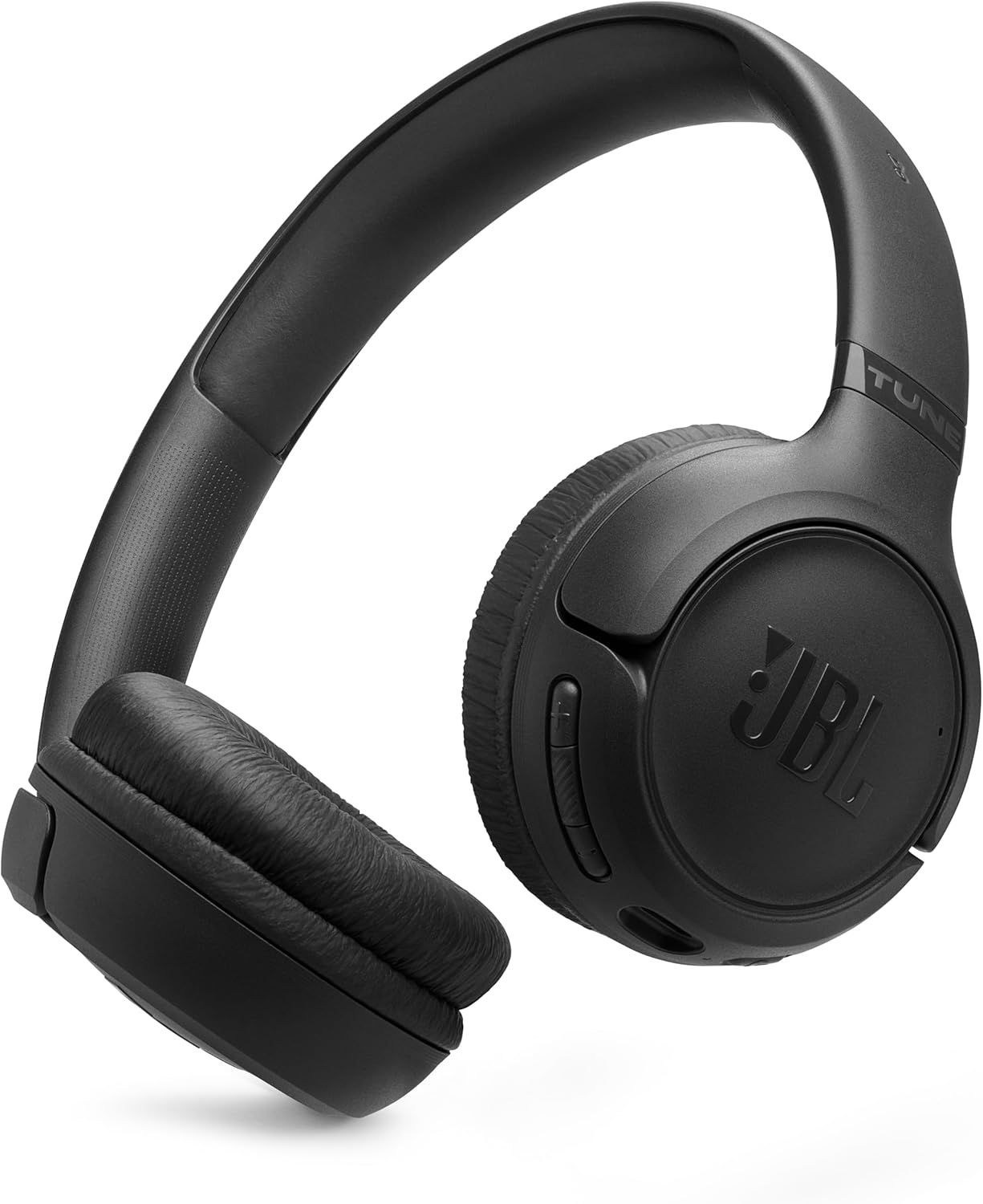
The JBL Tune 530BT and JBL Tune 730BT are two wireless Bluetooth headphones from JBL's 2026 Tune lineup. Their names are similar, and so are many of their specifications. Both offer Bluetooth 6.0, JBL Pure Bass Sound, app-based EQ, and up to 76 hours of battery life.
The biggest difference is how they fit. The 530BT is an on-ear headphone that rests against your ears, while the 730BT is an over-ear headphone designed to surround them. The 530BT launched at $59.95, compared with $89.95 for the 730BT. That makes this a question of comfort, portability, and whether the larger design is worth paying more for.
This comparison uses JBL's published specifications, independent reviews, and customer feedback rather than our own hands-on testing.
Choose the JBL Tune 530BT for lighter, less expensive headphones with nearly identical wireless features and advertised battery life.
Choose the JBL Tune 730BT if you prefer larger over-ear cushions, particularly for extended listening sessions.
The main difference is on-ear versus over-ear fit, not Bluetooth features, battery life, or active noise cancellation.
JBL Tune 530BT vs 730BT Specs
| Specification | JBL Tune 530BT | JBL Tune 730BT |
|---|---|---|
| Headphone design | On-ear | Over-ear |
| U.S. launch MSRP | $59.95 | $89.95 |
| U.S. release | June 2026 | June 2026 |
| Driver size | 33mm dynamic | 40mm dynamic |
| Frequency response | 20Hz-20kHz | 20Hz-20kHz |
| Bluetooth | 6.0 | 6.0 |
| Bluetooth multipoint | Yes, 2 devices | Yes, 2 devices |
| Active noise cancellation | No | No |
| Advertised battery life | Up to 76 hours | Up to 76 hours |
| Fast charging | 5 minutes for up to 5 hours | 5 minutes for up to 5 hours |
| Battery capacity | 450mAh | 500mAh |
| Weight | 152g | 218.2g |
| Ear cushion inner dimensions | 30 x 30mm | 60 x 42.5mm |
| App and EQ | JBL Headphones app | JBL Headphones app |
| Fold-flat design | Yes | Yes |
On-Ear vs Over-Ear: The Difference That Matters Most
The most important distinction between the JBL Tune 530BT and 730BT is the way the ear cushions make contact with your head.
The Tune 530BT uses an on-ear design, meaning the cushions rest directly against your ears. This allows JBL to make the headphones smaller and lighter, but it also concentrates pressure on your outer ears. Some people find this perfectly comfortable. Others notice discomfort after wearing on-ear headphones for extended periods.
The Tune 730BT uses an over-ear design, with larger cushions intended to surround your ears. Its ear openings measure 60 x 42.5mm, compared with just 30 x 30mm on the 530BT. That's a substantial design difference, although your individual ear size and the headphone's clamping pressure still determine how comfortable it feels.
In its JBL Tune 730BT review, RecordingNow praised the larger earcups and reduced clamping force compared with the previous Tune 720BT. That provides some independent support for the 730BT's comfort-oriented design, although it isn't a direct comparison against the 530BT.
If you're buying headphones primarily for working at a desk, studying, or listening for several hours, the 730BT's over-ear design is worth considering. If you prefer smaller headphones, the 530BT makes more sense.
Winner: JBL Tune 730BT for buyers who prefer an over-ear fit. The 530BT wins if you specifically want on-ear headphones.
Weight and Portability: The 530BT Has a Clear Advantage
The JBL Tune 530BT weighs 152 grams, while the 730BT weighs 218.2 grams. That's a 66.2-gram difference, making the 530BT roughly 30% lighter.
Both headphones fold flat, so either can be packed away when you're not using it. However, the smaller earcups and lighter construction of the 530BT make it a more compact option.
For someone carrying headphones between home, school, and work, that's a practical benefit. The 730BT isn't unusually heavy, but its larger cushions take up more space.
It's also worth remembering that lower weight doesn't automatically mean better comfort. The way headphones distribute pressure around your ears can matter more than their total weight.
JBL confirms the dimensions and weights in its 530BT specifications and 730BT specifications.
Winner: JBL Tune 530BT if you want lighter, more compact headphones.
Sound Quality: Does the 730BT's Larger Driver Make It Better?
The JBL Tune 530BT uses 33mm dynamic drivers, while the 730BT has 40mm dynamic drivers. Both are advertised with JBL Pure Bass Sound and a frequency response of 20Hz-20kHz.
It's tempting to assume the larger driver makes the 730BT sound better. That's not necessarily true. Driver size is only one part of headphone design. Acoustic tuning, earcup construction, and how well the cushions seal against your ears can have just as much influence on what you hear.
RecordingNow's review of the 730BT actually found its default sound less bass-heavy than expected from older JBL models. The reviewer described the presentation as relatively bright and lean, but reported a noticeable improvement after selecting the Bass EQ preset in JBL's app.
That doesn't mean the 530BT has better bass. There simply isn't enough directly comparable independent testing to establish which one delivers better overall sound quality.
Both headphones let you adjust their sound using the JBL Headphones app, which is useful if you prefer more bass or a different balance between vocals and instruments.
Winner: Tie. The 730BT has larger drivers, but the available evidence doesn't establish a clear sound-quality winner.
Noise Isolation: Neither Model Has Active Noise Cancellation
Neither the Tune 530BT nor the Tune 730BT includes active noise cancellation (ANC). That's an important detail if you're shopping for headphones to use on airplanes, public transportation, or in noisy offices.
Both depend on passive isolation, meaning the ear cushions physically block some surrounding noise.
The 730BT's larger over-ear cushions may provide better passive isolation when they form a good seal around your ears. The 530BT presses directly against the ears, and the amount of outside noise you hear will depend on how well the cushions fit.
However, the available research doesn't establish a measured noise-isolation advantage for either model. You shouldn't assume the 730BT will block substantially more noise simply because it has larger earcups.
Winner: Neither has a verified isolation advantage. If noise cancellation is a priority, consider a different headphone model with ANC.
Battery Life: Both Advertise 76 Hours
JBL rates both headphones for up to 76 hours of music playback and up to 45 hours of talk time. They also share the same fast-charging claim: a five-minute charge can provide up to five additional hours of listening.
Interestingly, the 730BT has a larger 500mAh battery compared with the 530BT's 450mAh battery, but JBL gives them the same advertised playback rating.
Independent battery results from Which?'s 530BT testing and 730BT testing provide another useful comparison. Which? measured approximately 85 hours and 50 minutes for the 530BT and 91 hours and 48 minutes for the 730BT.
Both exceeded their advertised battery ratings under those test conditions. The 730BT lasted nearly six hours longer, but either provides exceptionally long playback time between charges.
For most buyers, battery life shouldn't decide this comparison. Both have far more endurance than many people will need between charging sessions.
Winner: Essentially a tie for everyday use, with the 730BT ahead in Which?'s published battery measurements.
Bluetooth, Multipoint, and Phone Calls: Nearly Identical Features
Both models support Bluetooth 6.0, LE Audio as advertised by JBL, and multipoint connectivity for two devices.
Multipoint is useful if you regularly switch between a laptop and smartphone. You can keep both devices connected instead of repeatedly disconnecting and pairing the headphones.
Both also support the JBL Headphones app, EQ presets, Google Fast Pair, and Microsoft Swift Pair. JBL advertises beamforming microphones and background-noise reduction for calls on both models.
According to HARMAN's 2026 Tune series announcement, these shared features are central to the updated lineup.
There isn't enough directly comparable call-recording evidence to say that one has better microphone quality. On paper, the two headphones are very closely matched.
Winner: Tie. You're getting essentially the same advertised wireless and calling features with either model.
Price and Value: What Does the Extra $30 Buy?
The JBL Tune 530BT launched at $59.95, while the Tune 730BT launched at $89.95 in the United States. That's a $30 difference, or a 50% premium for the 730BT based on their original prices.
That extra money doesn't buy a major upgrade in Bluetooth features, advertised battery life, or noise cancellation. The 730BT's primary advantages are its larger over-ear cushions and 40mm drivers, although the larger drivers haven't been shown to deliver categorically better sound.
If you already know that you prefer over-ear headphones, the additional cost may be justified by the design alone.
But if you're comfortable with on-ear headphones, the 530BT offers much of the same technology for less money. Both models were introduced as part of the same generation, so this isn't a case of paying extra for newer technology.
Winner: JBL Tune 530BT for value at launch MSRP. The 730BT is worth the premium if its over-ear design better suits you.
What Reviewers Say About the JBL Tune 730BT
The improvement in comfort comes from having larger earcups and less clamping force than the previous generation.
The build quality of the JBL Tune 730BT is pretty cheap and plasticky
What Do Owners Say About the JBL Tune 530BT and 730BT?
Early customer feedback is generally positive, although the available review samples are relatively small and don't establish long-term reliability.
JBL Tune 530BT Owner Feedback
Buyers reviewing the 530BT at Best Buy frequently praise its sound, battery life, and straightforward connectivity. One verified purchaser reported a Bluetooth pairing problem with a television setup that had worked with an older JBL Tune 510BT. That appears to be an individual compatibility complaint rather than evidence of a widespread problem.
JBL Tune 530BT: Pros
-
Lightweight 152g design.
-
Lower $59.95 launch price.
-
Up to 76 hours of advertised battery life.
-
Bluetooth 6.0 and multipoint connectivity.
-
JBL Headphones app with EQ presets.
-
Compact on-ear construction.
JBL Tune 530BT: Cons
-
On-ear cushions may create pressure during extended listening.
-
Smaller ear openings than the 730BT.
-
No active noise cancellation.
-
Smaller 33mm drivers, without a proven sound-quality advantage.
-
Limited independent comfort and sound comparisons.
-
Passive noise isolation depends heavily on fit.
Tri Dev Computer participates in the Amazon Services LLC Associates Program, an affiliate advertising program designed to provide a means for sites to earn advertising fees by linking to Amazon.com
Here is why I recommend this...
These headphones keep the music going for days and make calls crystal clear, perfect for busy days or relaxing nights.
 More Info
JBL Tune 730BT Owner Feedback
Customer feedback on the 730BT is also generally favorable. However, one owner posting on Reddit's JBL community described the sound as muffled even after adjusting EQ settings and trying different devices.
That experience differs from RecordingNow's description of the default sound as relatively bright and lean, which illustrates how differently people can perceive headphone tuning. Neither report establishes a widespread sound defect.
For both models, the available evidence is too limited to draw reliable conclusions about hinge durability, battery aging, or long-term failure rates.
JBL Tune 730BT: Pros
-
Larger over-ear cushions.
-
40mm dynamic drivers.
-
Up to 76 hours of advertised battery life.
-
Strong independent battery test results.
-
Bluetooth 6.0, multipoint, and app-based EQ.
-
Improved comfort over the older 720BT according to RecordingNow.
JBL Tune 730BT: Cons
-
Higher $89.95 launch price.
-
Heavier and bulkier than the 530BT.
-
No active noise cancellation.
-
Plastic construction criticized by RecordingNow.
-
Default sound tuning may benefit from EQ adjustment.
-
Larger drivers don't establish better overall sound quality.

Here is why I recommend this...
These headphones deliver powerful JBL Pure Bass sound and an impressive battery life that keeps you going all day without hassle.
If you're looking for wireless headphones that truly balance sound quality, comfort, and battery life, the JBL Tune 730BT Headphones are a solid pick. Their over-ear design is not only sleek but also super comfy, with soft cushioned earcups that you can we... Show More
Which One Should You Buy?
Choose the JBL Tune 530BT if:
- You want a lighter pair of Bluetooth headphones for everyday use.
- You prefer headphones that sit on your ears instead of surrounding them.
- You're trying to get the most features for the lowest original price.
- You want excellent battery life without paying extra for a larger design.
- You plan to carry your headphones frequently and value a smaller package.
Choose the JBL Tune 730BT if:
- You prefer over-ear headphones with larger cushions.
- You spend extended periods listening at a desk or studying.
- You don't mind the additional weight and size.
- You're comfortable paying more for a different wearing design.
- You want the over-ear model from JBL's 2026 Tune lineup without giving up the shared wireless features.
Our recommendation: The 730BT is the better starting point for someone who specifically wants over-ear headphones, while the 530BT is the more economical choice for someone comfortable with on-ear designs. The sound and wireless feature differences aren't substantial enough to make one an obvious winner for everyone.
If your main requirement is active noise cancellation, neither of these models is the right choice.
Best Over-Ear Choice
JBL Tune 730BT (2026)
Who It's For
Choose the 730BT if you prefer your headphones to surround your ears, particularly for longer listening sessions. Its larger cushions are the main reason to choose it over the less expensive 530BT.
Wireless over-ear headphones with 40mm drivers, Bluetooth 6.0, larger ear cushions, and up to 76 hours of advertised playback. The 730BT weighs 218.2g and launched at $89.95, with an emphasis on a more accommodating around-ear design.
What is the main difference between JBL Tune 530BT and 730BT?
The JBL Tune 530BT is an on-ear headphone weighing 152g, while the 730BT is an over-ear headphone weighing 218.2g. The 730BT also has larger 40mm drivers compared with the 530BT's 33mm drivers. Most of their wireless features and advertised battery specifications are identical.
Is the JBL Tune 730BT better than the 530BT?
The 730BT is a better fit for someone who prefers larger over-ear cushions. However, the 530BT is lighter, less expensive at launch, and provides nearly the same wireless features. There isn't enough directly comparable independent sound testing to establish an overall audio-quality winner.
Do the JBL Tune 530BT and 730BT have noise cancellation?
No. Neither headphone includes active noise cancellation. Both rely on their ear cushions for passive noise isolation, and the actual amount of noise blocked depends on fit.
Which has better battery life, the JBL 530BT or 730BT?
JBL advertises up to 76 hours of playback for both. Independent testing by Which? measured approximately 85 hours and 50 minutes for the 530BT and 91 hours and 48 minutes for the 730BT. Both exceeded their advertised ratings in those tests.
Does the JBL Tune 730BT have better bass than the 530BT?
The 730BT has larger 40mm drivers, but that alone doesn't prove better bass. Both use JBL Pure Bass tuning and support EQ adjustments. RecordingNow found the 730BT's default tuning relatively lean and bright, with an improvement after selecting the Bass EQ preset.
Can the JBL Tune 530BT and 730BT connect to two devices?
Yes. Both support Bluetooth multipoint connections to two devices, making it easier to switch between a phone and computer. They also support Bluetooth 6.0 and the JBL Headphones app.
Are the JBL Tune 530BT and 730BT the same generation?
Yes. Both belong to JBL's updated Tune lineup announced for the U.S. market in January 2026, with U.S. availability specified for June 2026. The 530BT follows the on-ear 520BT family, while the 730BT follows the over-ear 720BT family.
Sources
- JBL Tune series U.S. launch announcement, January 2026, HARMAN
- JBL Tune 530BT official technical specifications, JBL
- JBL Tune 730BT official technical specifications, JBL
- JBL Tune 730BT review, RecordingNow
- JBL Tune 530BT independent laboratory review, Which?
- JBL Tune 730BT independent laboratory review, Which?
- JBL Tune 530BT customer reviews, Best Buy
- JBL Tune 730BT customer reviews, Best Buy
- JBL Tune 730BT owner discussion about sound quality, Reddit r/JBL